TOP 10 Service Hubs in CEE: Where the Best Software & Digital Companies Are Built
In recent years, Central and Eastern Europe (CEE) has become one of the fastest-growing regions for digital services worldwide. To create an objective ranking of the most significant IT and digital hubs, we evaluated each city across five key criteria: the size of the local talent pool, the maturity of the service ecosystem, the presence of global projects and international companies, cost competitiveness, and international readiness - meaning language skills and preparedness for global collaboration. The results reveal where the most promising software houses, digital marketing agencies, and data-driven service companies are emerging across CEE. Check out the best cities where it is worth looking for service providers.
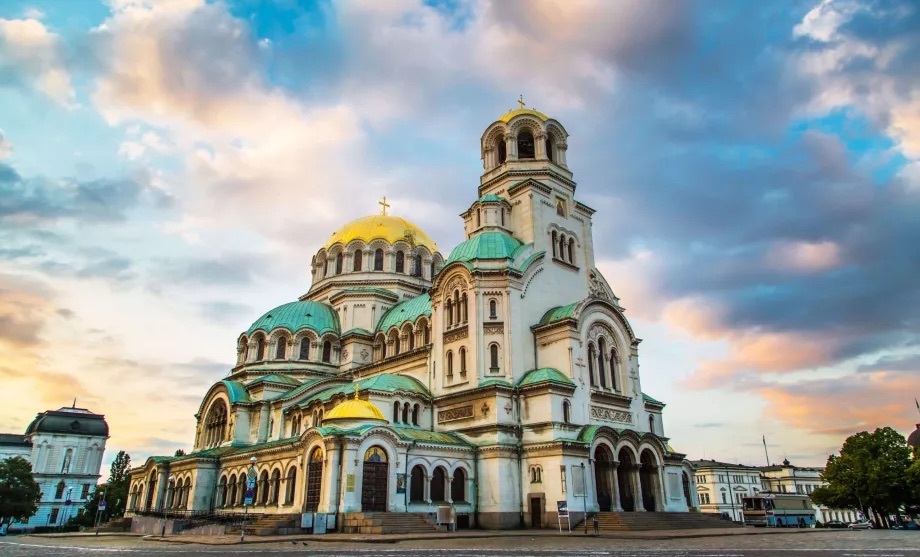
10. Sofia (Bulgaria)
Sofia has a stable and rapidly growing IT sector, but it is still noticeably smaller than the biggest markets in the region. The city employs around 70–90 thousand IT specialists, which provides a solid base, but limits the scale of large outsourcing projects. Rates are among the lowest in CEE, making Sofia extremely cost-effective. The downside is the relatively small number of global tech centers and lower recognition among Western clients.
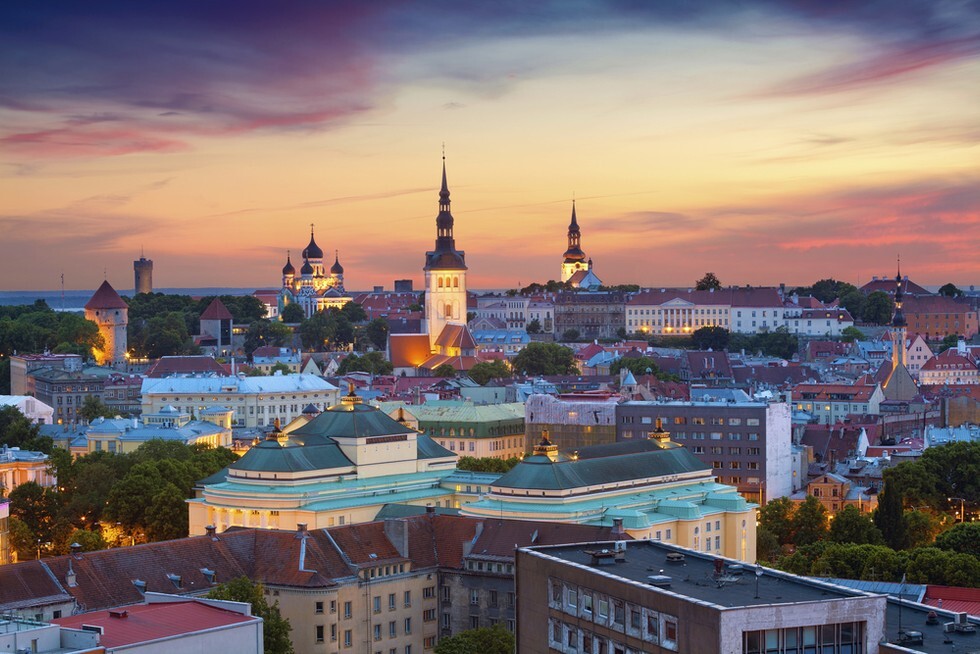
9. Tallinn (Estonia)
Tallinn stands out for the high quality of its specialists and its exceptional level of digitalization - Estonia has long been a global leader in digital governance. However, the main limitation is the country’s small population and modest talent pool of around 30–35 thousand tech professionals. The service market is more focused on startups than on large IT or marketing providers. Rates are higher than the CEE average, but this is balanced by one of the highest English proficiency levels in the region.
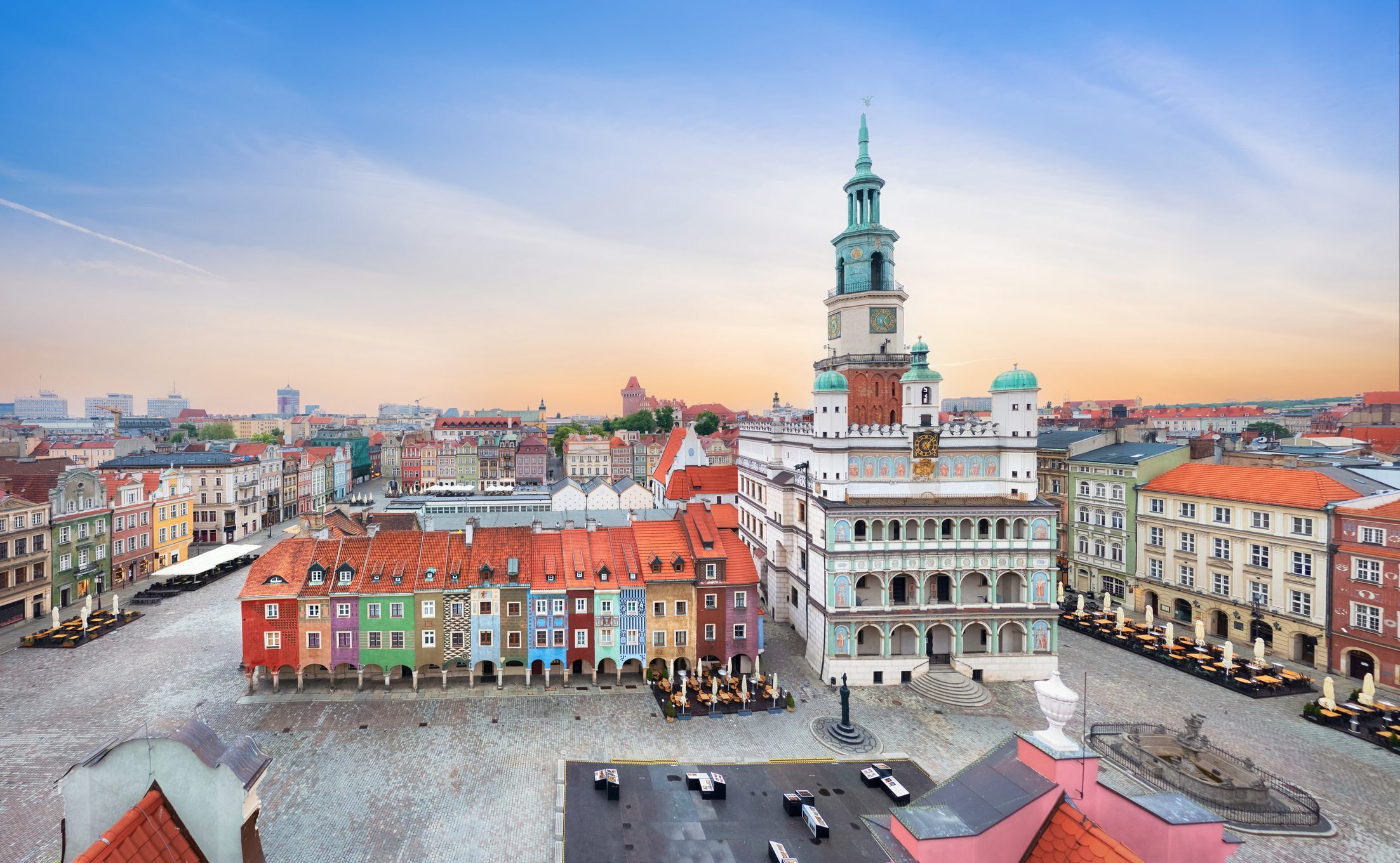
8. Poznań (Poland)
Poznań is a strong but still mid-sized IT hub, with a solid network of software houses and digital agencies. The local talent pool counts around 45–60 thousand specialists, providing a good foundation, though still smaller than in Wrocław or Kraków. Service costs remain competitive, and the quality of work is consistently high. The weaker side is the smaller number of global projects compared to the larger Polish hubs.

7. Gdańsk (Tricity, Poland)
Gdańsk and the wider Tricity region are expanding rapidly, attracting global players from the IT, R&D, and marketing sectors. The talent base includes around 65–80 thousand specialists, supported by strong universities and a wave of returning expats. The region offers excellent infrastructure and proximity to many product companies. The challenge is still its smaller scale and historically lower visibility compared to the region’s largest outsourcing hubs.

6. Budapest (Hungary)
Budapest is one of the largest and most mature business service markets in Central Europe. The city hosts over 100 major global service centers, and the IT sector grows steadily thanks to strong technical capabilities. The talent pool is sizable, though rates are often higher than in Poland or Romania. Budapest’s strengths include advanced cybersecurity and fintech services - some of the best developed in the region.

5. Bucharest (Romania)
Bucharest is one of the fastest-growing digital service hubs in Europe. Romania has over 190 thousand IT specialists, making it the second-largest talent market in CEE. A significant portion of the workforce is employed in the outsourcing sector, which results in a high volume of global projects. Rates, however, have been rising and in some segments are approaching Czech or Estonian levels. A major advantage is the large population of young professionals with strong language skills.
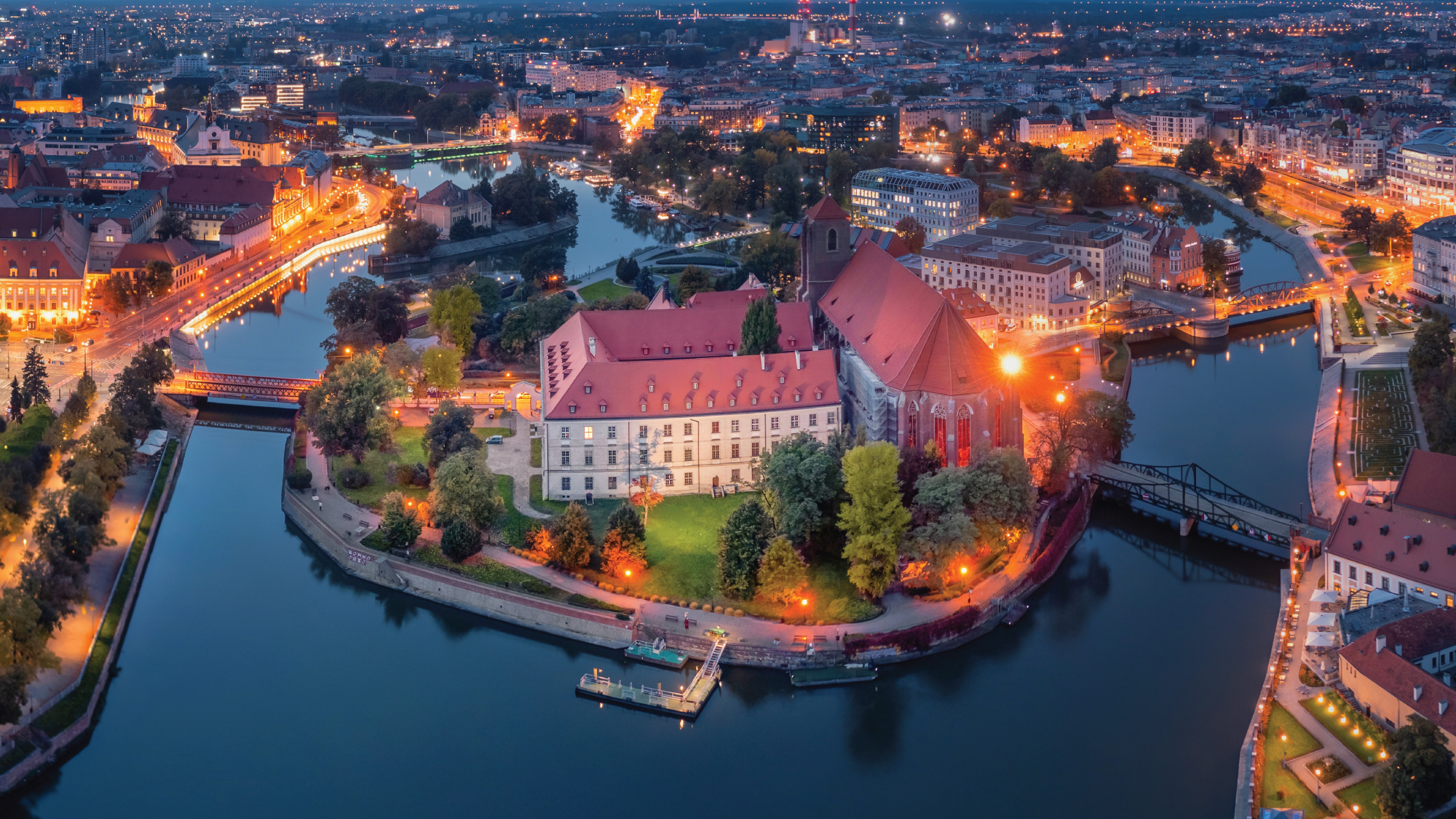
4. Wrocław (Poland)
Wrocław is one of the fastest-growing tech hubs in Europe. The city has around 90–110 thousand IT and digital specialists, while the global services sector employs over 100 thousand people. Wrocław attracts major corporations and high-complexity projects. Its main limitation is scale - still smaller than Warsaw or Kraków - though its growth rate often exceeds both.

3. Prague (Czechia)
Prague is one of the most technologically mature cities in the region, with a strong presence of international corporations. The market is characterized by high service quality and strong analytical and programming capabilities. The main challenge is some of the highest service rates in CEE, which reduces outsourcing competitiveness. The talent pool is mid-sized but very stable and well-balanced.
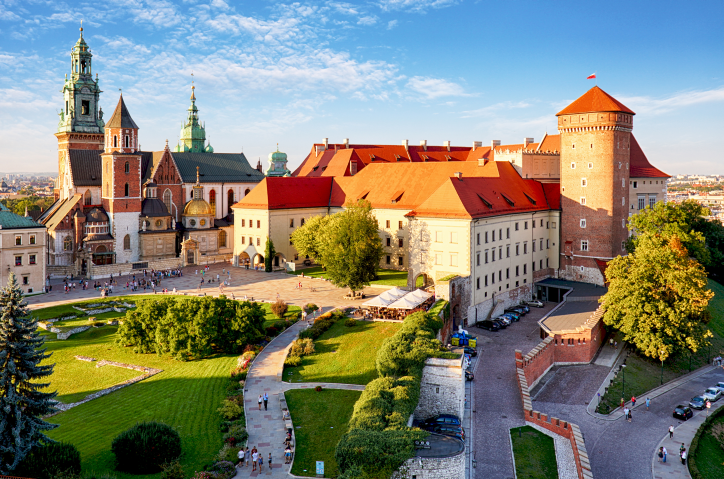
2. Kraków (Poland)
Kraków is the largest shared services center in the European Union, and its IT and digital sector is unmatched in scale within the region. The city is home to 110–130 thousand technology and marketing specialists. It has exceptional strength in global projects, with over 200 major service centers operating locally. The downside is rising prices and salaries, which are slowly approaching Czech levels.
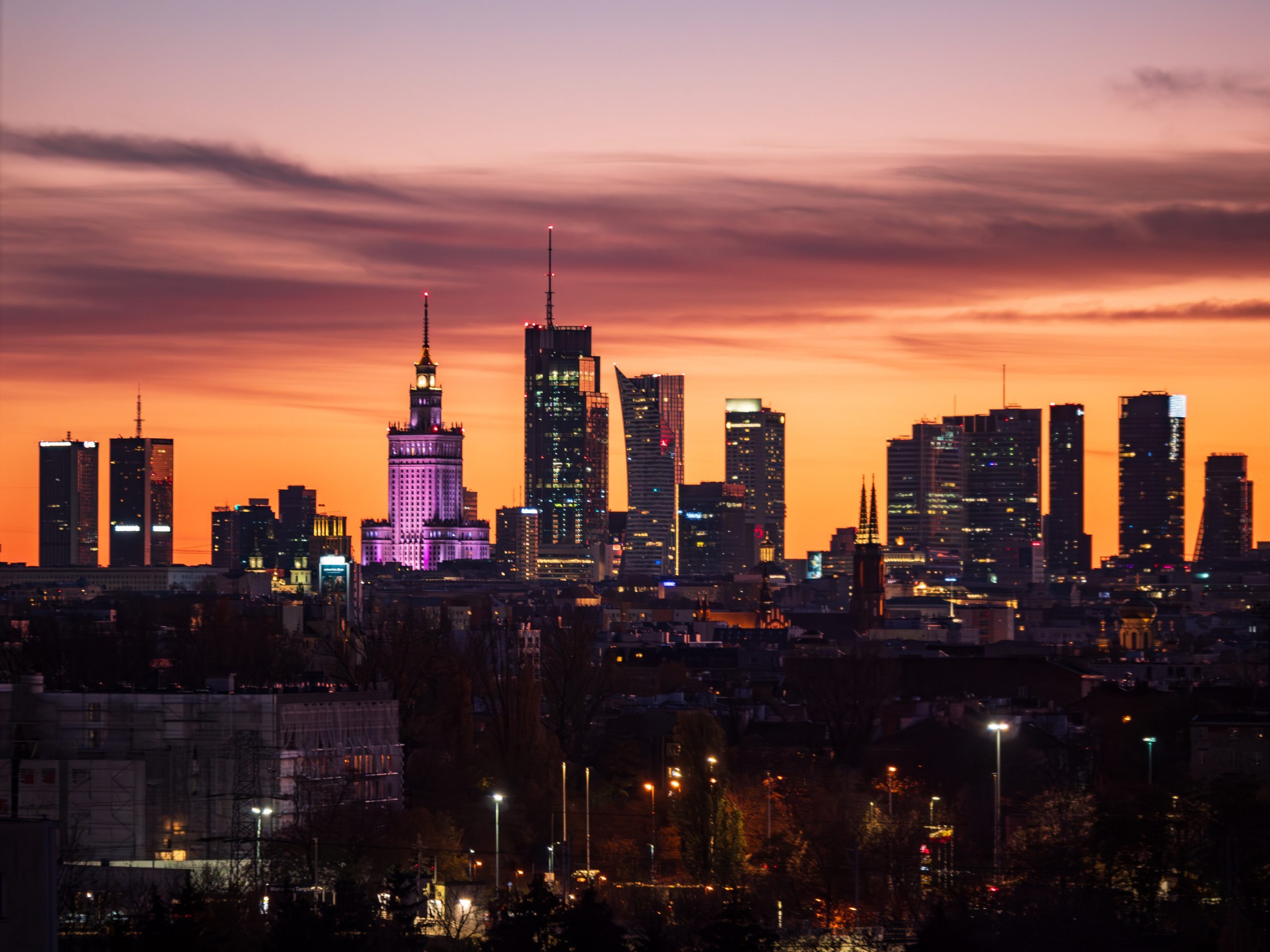
1. Warsaw (Poland)
Warsaw is the largest and most diversified digital services market in CEE. The combined IT, digital, and data talent pool is estimated at 170–200 thousand specialists, the biggest in the region. The city hosts the highest number of global tech centers and product companies. Service rates remain competitive compared to Czechia and Estonia, and the scale of the market gives Warsaw a small but clear advantage over other agglomerations.